Pilates in Manchester: Injury Recovery, Strength & Performance
“It’s the mind itself which builds the body.” – Joseph Pilates
Why are more athletes taking up Pilates?
LeBron James. Cristiano Ronaldo. Tiger Woods.
Aside from being a physically beneficial practice itself, it increases your performance in other sports and is transformative for injury rehabilitation.
Elite athlete or desk worker. Recovering from injury or craving smoother movement. Pilates has a place in everyone’s routine. Carry on reading to find your reason…
Is Pilates Good for Injury Recovery?
As a Sports Therapist, I quickly realised how supportive Pilates is for so many of the injuries and issues I see every day! From back, shoulder and lower body pain to stiffness and fascia tightness.
Pilates helps to restore mobility and joint alignment following injury. You’re developing strength through precision, control and sustained muscle engagement. Perfect for the early and mid stages of rehabilitation.
Specifically:
Flexibility: Pilates movements stretch and lengthen muscles. This then reduces stiffness and improves range of motion. Inflammation and pain reduce, and the healing process speeds up.
Improved posture: Pilates puts the core muscles to good use, supporting the spine and pelvis – the key players in maintaining a good posture and balance. This reduces further risk of injury.
Pain reduction: Many Pilates movements are low-impact and target specific areas in the body. This increases your mind-muscle connection to deliver targeted support.
Adaptability: Movements can be modified to support your injuries and fitness levels. You can progress to more challenging movements as your injury recovers. It also requires minimal equipment, so what you learn with me, you can practise at home.
Pilates for Sports Performance
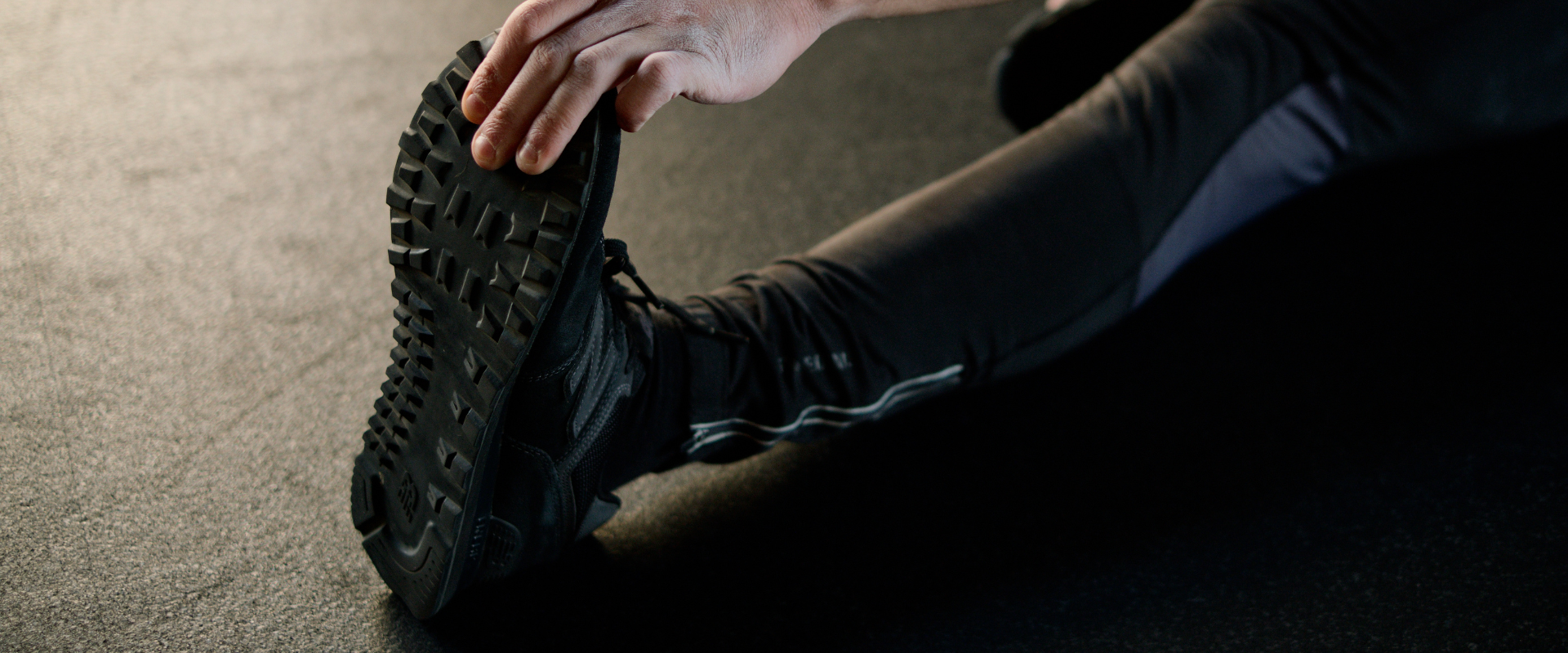
Pilates helps athletes train smarter and stay injury-free.
To run, swim, or lift weights, you need every muscle in your core to work together. Pilates focuses on the core muscles (obliques, pelvic floor and transversus abdominis) and spinal stability. All of which boost precision and force transmission.
It also supports mobility. With looser muscles and improved joint mobility (particularly in the hips and upper back), movement of any kind is easier and more comfortable. A better swing at golf, more streamlined in the pool, the list goes on.
Then you’ve got the often-neglected stabiliser muscles. While we love big, juicy quads and defined biceps, muscles like your shoulder rotator cuff and hip stabilisers accommodate the flow of movement. Stronger stabilisers = stronger muscles.
Pilates also has cognitive benefits. Improving your bodily awareness. Better breath control, higher quality oxygen levels and razor-sharp focus.
How Pilates Improves Overall Wellbeing
Pilates slows things right down. Increasingly important in this climate!
The controlled movement and breathing soothe the nervous system, cushioning high-intensity workouts and busy lifestyles.
It also aids better sleep! Good sleep means consistent performance and better muscle recovery.
Training in groups can boost morale, motivation and inspire a sense of connectedness. No matter who you are, Pilates can make life that little bit better.
Pilates Classes in Manchester & 1-to-1 Sessions
My Manchester Pilates classes are currently held at Gorton Monastery, a space rooted in community where people from all walks of life come to find balance.
I also offer 1-to-1 sessions to provide completely tailored support that you can improve on at home.
Want specific details about how Pilates can help you? Get in touch or book a class today.